
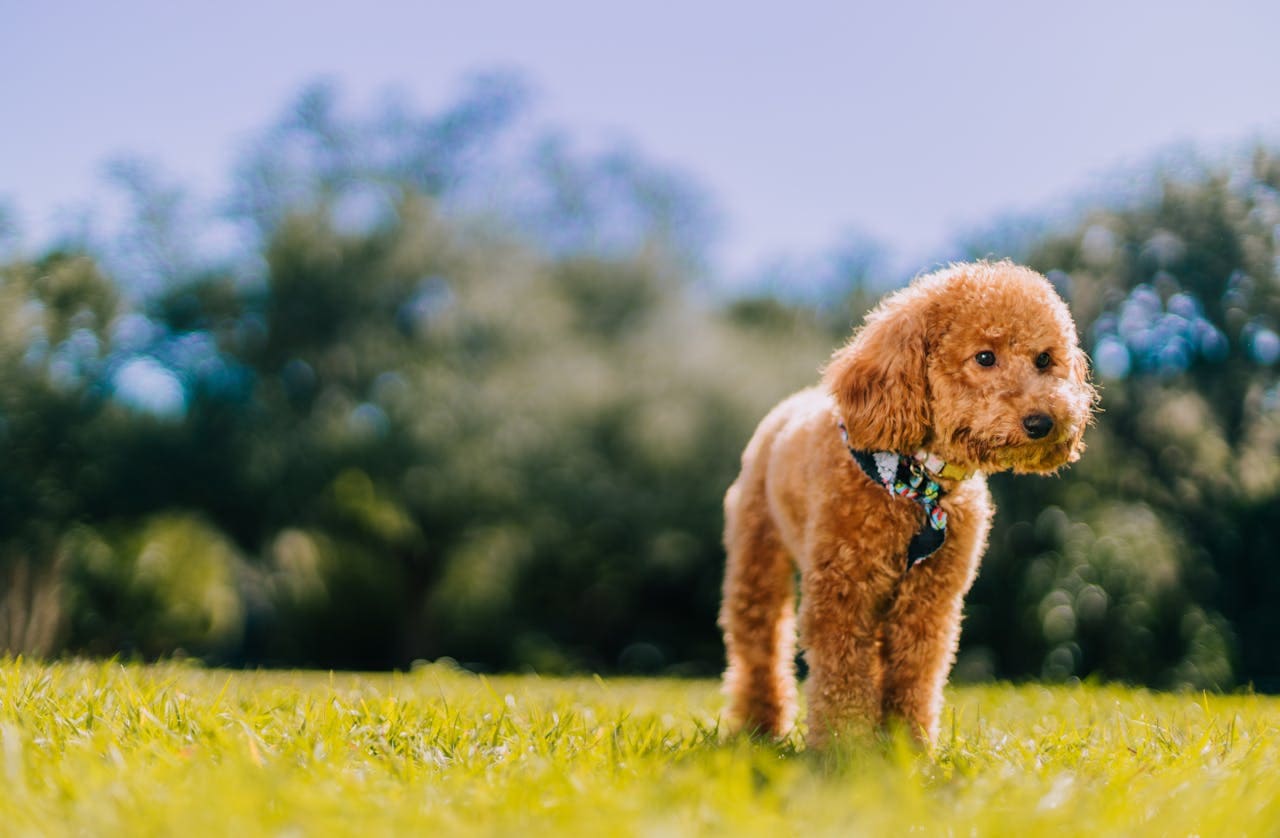
If you’re on the hunt for Toy Poodle puppies, considering Toy Poodle adoption, or searching for a Toy Poodle near me, you’re likely already captivated by this clever, elegant, and lively little breed.
Toy Poodles may be small in stature, but they’re overflowing with charm, intelligence, and affection.
Ideal for apartment living and loved for their hypoallergenic coats, Toy Poodles make excellent companions for individuals and families alike.
Breed Overview (Quick Facts)
- Breed group: Toy
- Size: Small
- Height: Up to 25 cm (10 in)
- Weight: 2.5–4.5 kg (5–10 lbs)
- Lifespan: 14–18 years
- Coat type: Curly, dense, hypoallergenic
- Colors: Black, white, apricot, red, gray, silver, brown, cream
- Shedding: Very low
- Exercise needs: Moderate
- Good for first-time owners? Yes
- Good with kids/pets? Yes, with supervision
History & Origins
The Poodle is one of the oldest and most popular dog breeds in the world, originally bred in Germany as a water retriever. The Toy Poodle was developed in France as a smaller version of the Standard Poodle — primarily for companionship.
They gained popularity among European nobility and circus performers thanks to their elegance, smarts, and trainability.
Appearance
Despite their small size, Toy Poodles are proportionally well-built and graceful. They have a tight, curly coat that doesn’t shed much, making them a great option for allergy sufferers.
Their expressive eyes, long ears, and high-set tails give them an elegant yet playful look. Regular grooming helps maintain their beautiful coat and overall appearance.
Temperament & Personality
Toy Poodles are lively, loyal, and extremely intelligent. They love human interaction and often form strong bonds with their owners. Despite their “posh” reputation, these dogs are playful, affectionate, and sometimes even a little goofy.
They can be sensitive and are deeply attuned to the emotions of their humans — making them excellent emotional support animals.
Exercise & Activity Needs
While small, Toy Poodles have moderate energy and require daily walks, playtime, or even short training sessions to keep them engaged.
They enjoy games like fetch or learning tricks, and they excel in agility, obedience, and other canine sports. Without enough stimulation, they may get bored and bark excessively or develop unwanted behaviors.
Training & Intelligence
Poodles are ranked among the smartest dog breeds — and Toy Poodles are no exception. They’re eager to please and respond very well to positive reinforcement.
Early socialization and consistent training from puppyhood help bring out their best traits. House training and basic obedience are usually quick to master.
Diet & Nutrition
Feed your Toy Poodle a high-quality dog food formulated for small breeds. Monitor their calorie intake, as their small size makes them prone to weight gain if overfed.
Split their food into two meals per day and avoid too many treats. Be sure to provide fresh water at all times.
Grooming Needs
Toy Poodles need regular grooming to keep their coat healthy and free from tangles. Brushing every other day is ideal, and a professional groom every 4–6 weeks is recommended.
Their ears should be checked and cleaned regularly, and nails trimmed as needed. Dental hygiene is especially important, as small breeds are prone to dental issues.
Health Concerns
Toy Poodles are generally healthy, but like all breeds, they can be prone to certain conditions, such as:
- Luxating patella
- Progressive retinal atrophy (PRA)
- Epilepsy
- Dental problems
- Allergies
Working with a reputable vet and choosing ethical breeders or a responsible Toy Poodle adoption agency helps ensure you bring home a healthy pet.
Ideal Living Situation
Toy Poodles adapt easily to different living environments — from apartments to large houses. They do well with singles, couples, families, and even older adults.
Due to their social nature, they shouldn’t be left alone for long periods. Their small size also means they should be handled carefully around young children.
Pros & Cons
Pros
✓ Highly intelligent and easy to train
✓ Hypoallergenic and low shedding
✓ Affectionate and people-oriented
✓ Great for small homes and apartments
Cons
✗ Needs regular grooming
✗ Can be vocal or anxious if left alone
✗ May be fragile around rough kids
✗ Sensitive to harsh training methods
Is the Toy Poodle Right for You?
If you’re looking for a small dog with a huge personality, the Toy Poodle might be your perfect match. They’re intelligent, charming, and adaptable — and they thrive in homes where they get plenty of love, stimulation, and attention.
Conclusion
Whether you’re browsing Toy Poodle puppies for sale, checking the Toy Poodle price, or looking into Toy Poodle rescue options, this elegant and affectionate breed brings both companionship and fun into any home.
With proper care and training, a Toy Poodle can be a delightful family member for many years to come.
Related Articles: Cockapoo Puppies: The Ultimate Guide to This Charming Hybrid and Goldendoodle for Sale? Here’s What You Need to Know First