
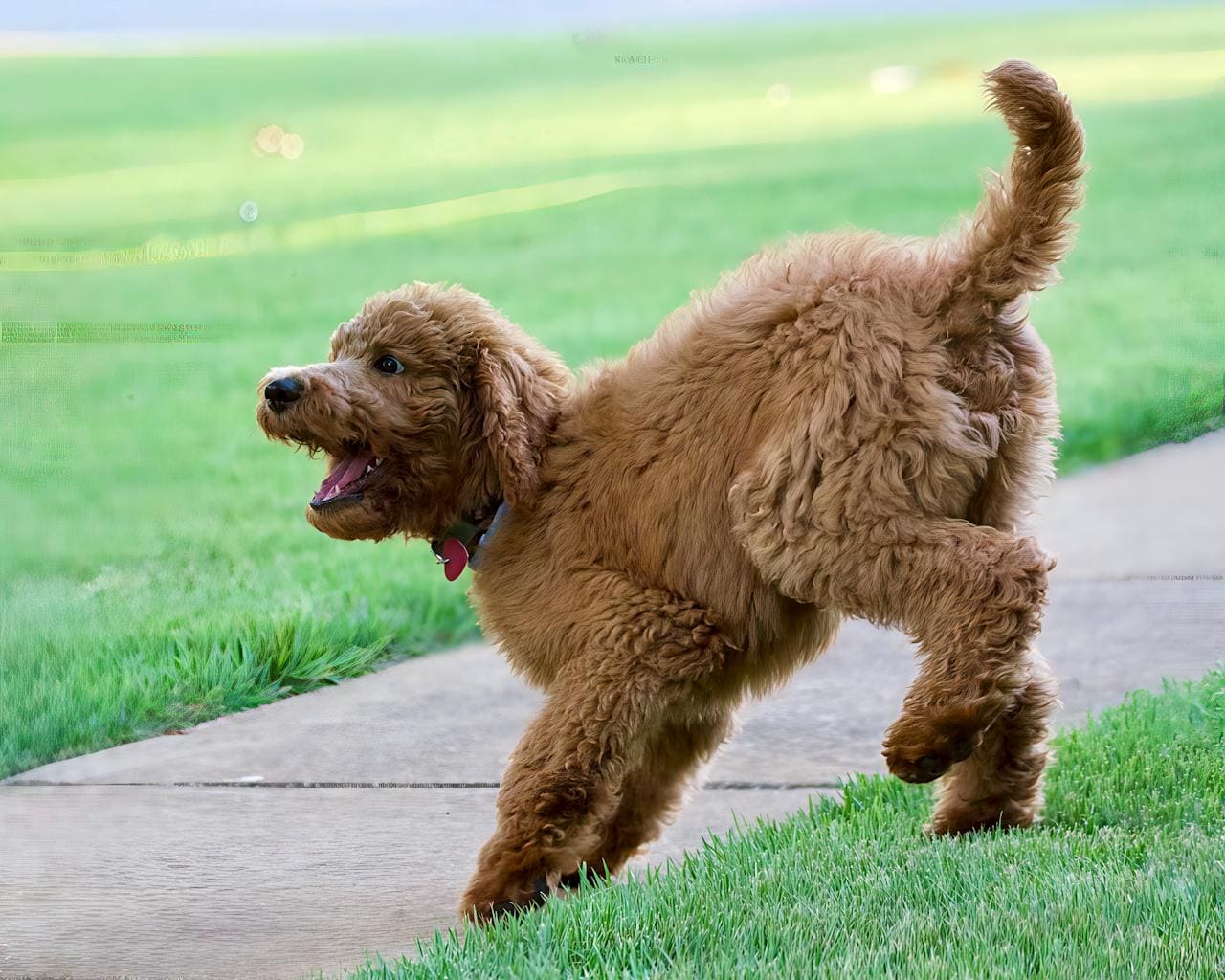
If you’re looking for an affectionate, intelligent, and allergy-friendly dog, the Labradoodle might be the perfect match.
A cross between the Labrador Retriever and the Poodle, Labradoodle puppies have gained popularity thanks to their charming looks and friendly nature.
Whether you’re considering a mini Labradoodle for a smaller space or exploring the unique traits of the Australian Labradoodle, there’s a size and temperament suited to almost every lifestyle.
Before searching for Labradoodle puppies, let’s explore everything you should know about this lovable hybrid breed.
Breed Overview
- Origin: Australia (originally bred as a guide dog)
- Size:
- Standard: 21–24 inches tall, 50–65 lbs
- Medium: 17–20 inches tall, 30–45 lbs
- Mini: 14–16 inches tall, 15–30 lbs
- Lifespan: 12–15 years
- Coat: Wavy, curly, or fleece-like; low to non-shedding
Temperament and Personality
Labradoodles are known for being social, friendly, and easy to train. They inherit the intelligence of the Poodle and the loyalty of the Labrador Retriever.
Most Labradoodles are energetic, eager to please, and great with children, making them ideal family pets. They’re also known for their gentle temperament, making them suitable for therapy or emotional support work.
Grooming Needs
Despite being low-shedding, Labradoodles are not entirely maintenance-free. Their curly or wavy coats require regular brushing, ideally 3–4 times per week, to avoid matting.
Professional grooming is recommended every 6–8 weeks to keep their coats clean and healthy.
Exercise and Training
Labradoodles are highly active and require daily exercise—think walks, playtime, or even swimming. Without enough physical and mental stimulation, they can become bored and develop undesirable behaviors.
Training a Labradoodle is usually straightforward due to their intelligence and eagerness to please. Positive reinforcement works well, and many Labradoodles thrive in obedience or agility classes.
Diet and Nutrition
Feed your Labradoodle a high-quality, well-balanced diet tailored to their age, size, and activity level. Avoid overfeeding, especially in standard-sized Labradoodles, to prevent joint issues and obesity.
Health Considerations
Like all breeds, Labradoodles are prone to certain genetic conditions. These can include:
- Hip dysplasia
- Progressive retinal atrophy (PRA)
- Allergies
- Ear infections (due to floppy ears)
Reputable breeders test their breeding dogs for these issues, which is one reason it’s essential to buy from trustworthy sources.
Ideal Owners
Labradoodles are best suited for active individuals or families who can commit to regular exercise and grooming. They’re fantastic with kids and other pets and make loyal companions for people of all ages.
First-time dog owners will also find Labradoodles relatively easy to manage, especially with early socialization and training.
Size Variants: Standard, Mini & Australian Labradoodles
- Mini Labradoodle: A smaller version, great for apartments or smaller homes. Energetic and loving, just like their standard counterparts.
- Australian Labradoodle: A specific lineage that often includes other breeds like the Cocker Spaniel. These dogs are bred with consistent temperaments and hypoallergenic traits in mind.
Conclusion
Whether you’re drawn to the charm of a mini Labradoodle, the heritage of an Australian Labradoodle, or you’re simply smitten by adorable Labradoodle puppies, this breed offers the best of both worlds: intelligence, affection, and a hypoallergenic coat.
If you’re searching for Labradoodle puppies for sale, make sure to find a responsible breeder or consider Labradoodle adoption.
There are also many wonderful dogs available through Labradoodle rescue organizations, waiting for a second chance in a loving home.
Related Articles: Maltipoo Puppies: A Complete Guide to This Adorable Designer Dog and Goldendoodle for Sale? Here’s What You Need to Know First